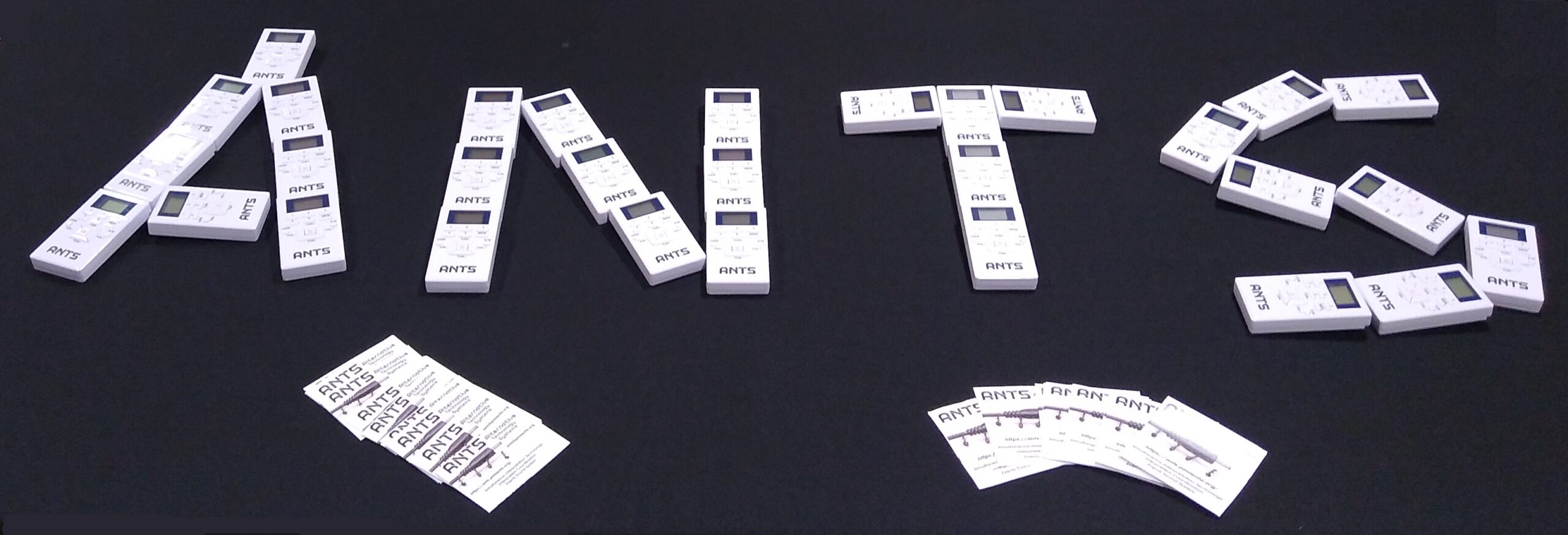
We usually move around with a small van, as we take in great seriousness our ecological footprint. The commercial company in the Interpretation world moves around with big truck full of very expensive equipment, at no reach for small organizations and collectives of the social movement area.
When it comes to the sound proofing of the booths, of course they don’t offer the same characteristics as the full-on soundproofed booths normally used in the Interpretation world, for which you need to move a truck in order to transport them – increasing incredibly not only the ecological footprint, but also the overall costs.
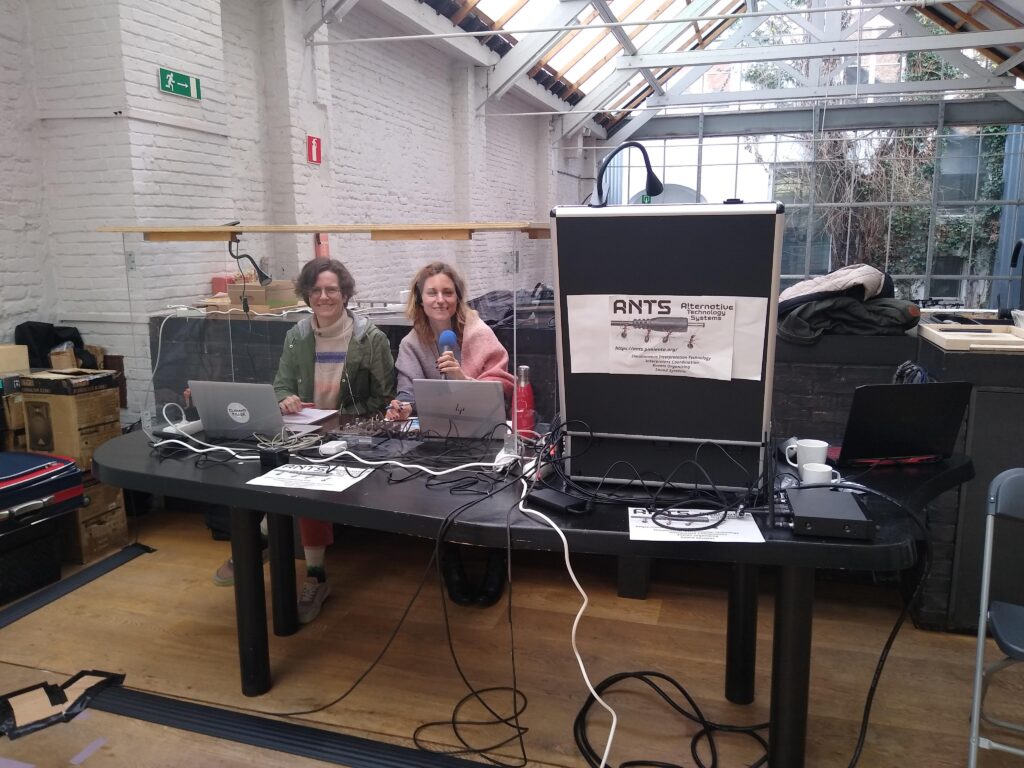
We consider enough to use those Plexicabins – as we call them – more environmentally friendly in comparison to the sound-proofed booths. Of course there’s need to organize the room in a way that the voice of the interpreters doesn’t reach too much the ears of the close-by participants – which are using headphones to receive the Interpretation in the language they choose, by the way.
The Booths1 that we use – the Plexicabins – were designed more than a decade ago by a pioneer collective project that I co-founded in 2009. Their designs are open-source and they were copied and adapted by dozens of other collectives and organizations all over the world.
Continue reading